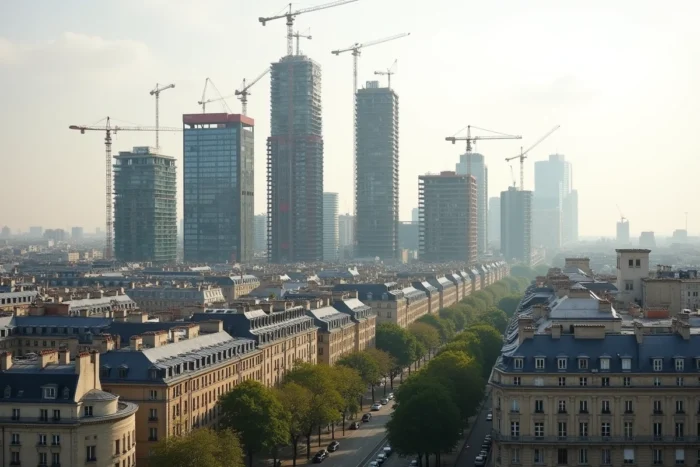
The ranking of real estate developers in France is based on the annual revenue published by Le Moniteur. The 2024 edition confirms the dominance of a few large national groups, but also reveals significant disparities between players and repositionings related to the new housing crisis that began in 2022. Here are the twenty developers that matter, ranked by economic weight.
To position these players relative to each other, the ranking of the best real estate developers details the business volumes and activity segments of each group.
1. Nexity

Nexity retains the top spot in the ranking of real estate developers in France. The group covers the entire chain: residential, commercial real estate, management, and services. This diversification allows it to cushion the declines in reservations for new housing.
Its presence throughout the national territory and its portfolio of mandates make it a player that is difficult to dislodge from the top, even in a deteriorated market context.
2. Altarea
Altarea occupies the second position thanks to a model that combines residential development, commerce, and logistics. The group stands out for its large-scale mixed operations, often in urban renewal.
Its diversification strategy towards tertiary real estate provides a growth relay when residential slows down.
3. Bouygues Immobilier
Bouygues Immobilier completes the podium. Backed by the Bouygues group, this developer benefits from synergy with Bouygues Construction, giving it a cost advantage.
The group focuses on low-carbon construction and mixed neighborhoods to reposition its offer in response to the market contraction.
4. Icade

Icade, a subsidiary of the Caisse des Dépôts, ranks fourth. Its institutional anchorage guarantees it privileged access to public land and development operations.
However, the group has begun a refocusing by selling part of its health portfolio to concentrate on promotion and tertiary real estate.
5. Vinci Immobilier
Vinci Immobilier relies on the strength of the Vinci group to secure large-scale operations, particularly in Île-de-France and major metropolitan areas. Its vertical integration reduces the time between land acquisition and delivery.
6. Kaufman & Broad
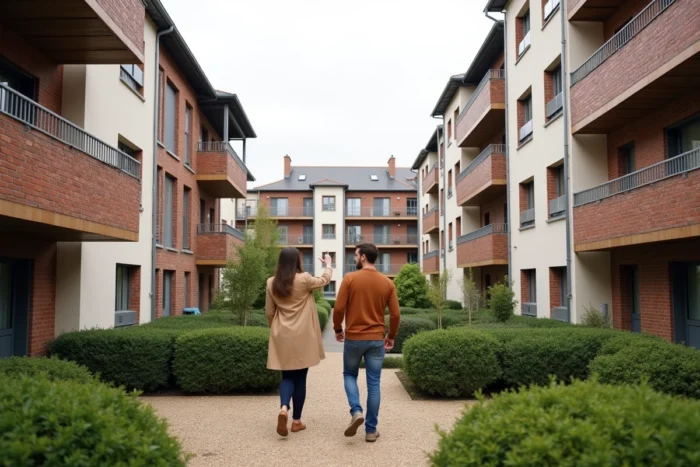
Kaufman & Broad remains a specialist in residential housing, with a significant share of individual houses in addition to apartments. The developer maintains a cautious financial management, limiting exposure to land risk.
This caution allows it to maintain its margins even when reservation volumes drop.
7. Bassac (Les Nouveaux Constructeurs and Marignan)
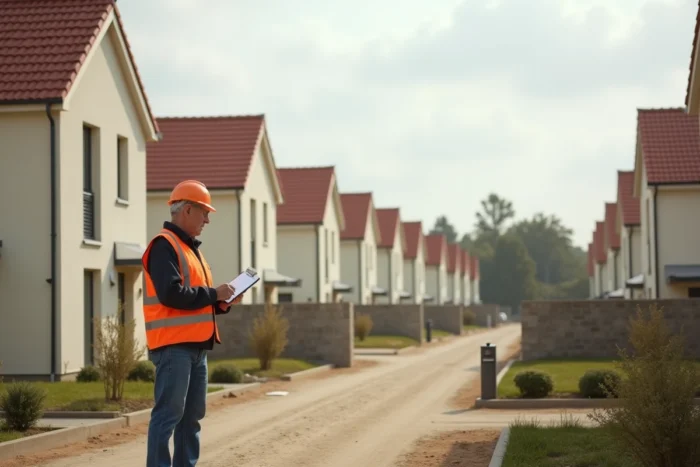
Bassac brings together Les Nouveaux Constructeurs and Marignan. The group primarily targets first-time buyers and rental investment in medium-sized cities.
Its presence outside major metropolitan areas gives it access to cheaper land, an asset in a context of rising construction costs.
8. Procivis
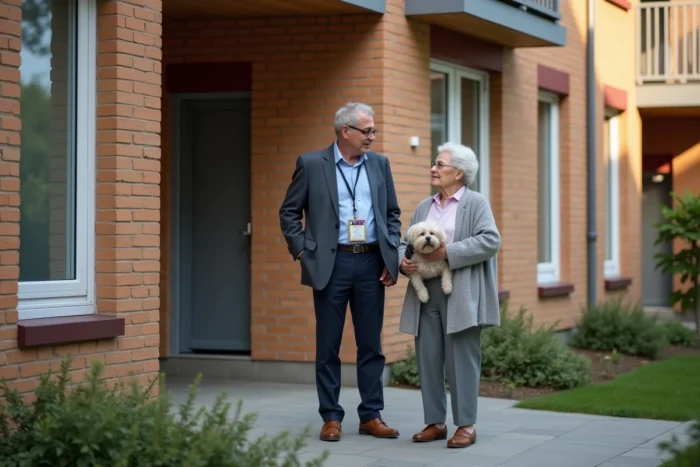
Procivis, a cooperative network linked to SACICAP, stands out for its strong focus on social housing and social home ownership. Its territorial network through local subsidiaries provides it with a fine understanding of regional markets.
9. Eiffage Immobilier
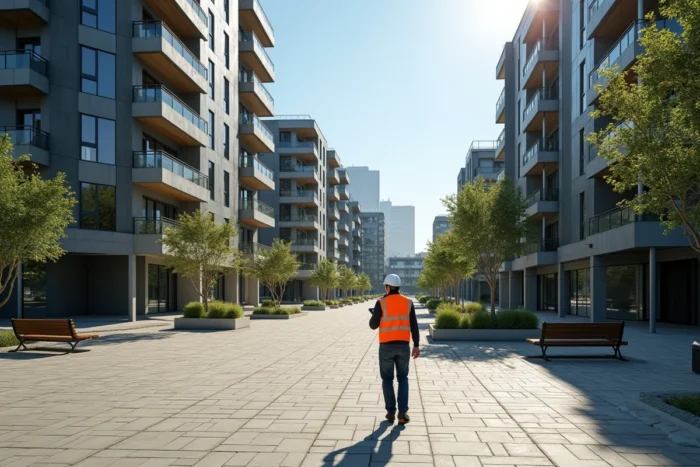
Eiffage Immobilier benefits from the ecosystem of the Eiffage group (construction, concessions) to offer integrated operations. The developer develops residential and tertiary programs in regional metropolitan areas.
10. Cogedim (Altarea)

Cogedim, the residential brand of Altarea, positions itself in the high-end and mid-high segment. The quality of interior services remains its main selling point, targeting a clientele less sensitive to interest rates.
11. Pitch Immo

Pitch Immo operates mainly in the south of France. This regional developer has managed to grow steadily by targeting areas with high rental pressure along the Mediterranean coast.
12. Quartus
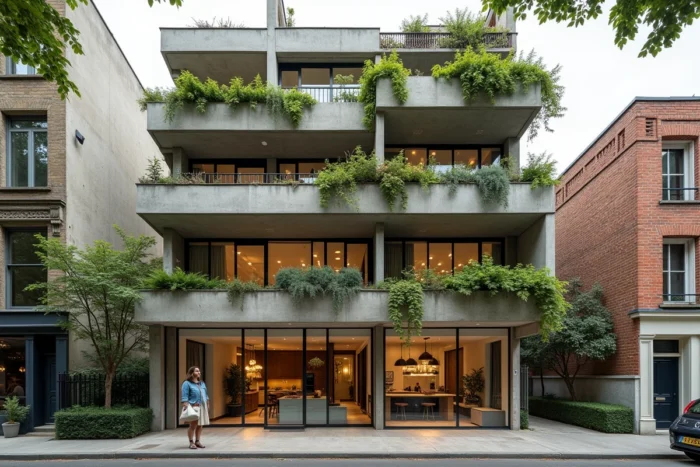
Quartus presents itself as a global urban operator. The group combines promotion, development, and operation, with a particular focus on projects for the conversion of wastelands.
13. Sogeprom (Société Générale)

Sogeprom, a subsidiary of Société Générale, develops residential and tertiary programs. Its banking backing facilitates the financial structuring of operations.
14. Promogim
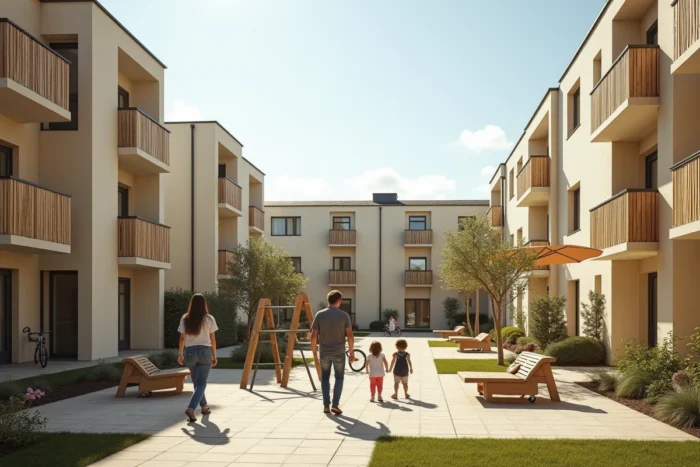
Promogim, a family group, operates throughout the territory with a positioning oriented towards intermediate housing. Its family capital structure allows for quick decisions on land acquisitions.
15. Groupe Pichet
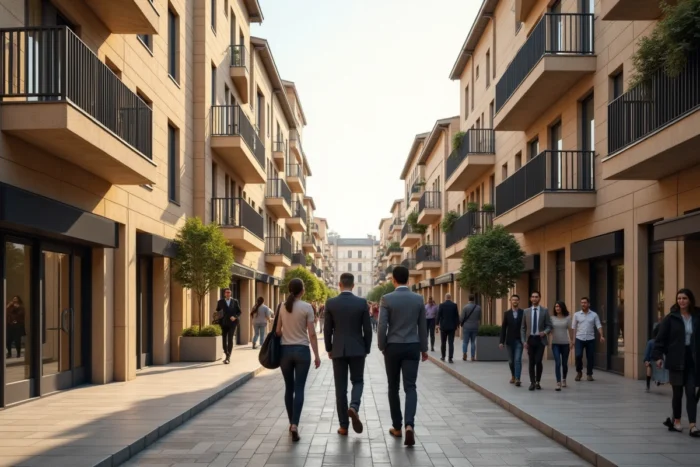
The Groupe Pichet, based in Bordeaux, combines real estate development and property activity. Its anchorage in the Greater South-West provides an advantage in a market where residential demand remains strong.
16. Spirit Immobilier

Spirit Immobilier focuses on Nouvelle-Aquitaine and Occitanie. This regional developer has gained ground thanks to programs tailored to the budgets of local first-time buyers.
17. Crédit Agricole Immobilier

Crédit Agricole Immobilier benefits from the banking network of Crédit Agricole for marketing its programs. The direct link between financing and promotion simplifies the purchasing process for buyers.
18. Emerige

Emerige stands out for its careful architectural approach, often in collaboration with renowned architects. The Parisian developer targets prestigious operations and the conversion of heritage buildings.
19. Nexity Apollonia (residential division Île-de-France)
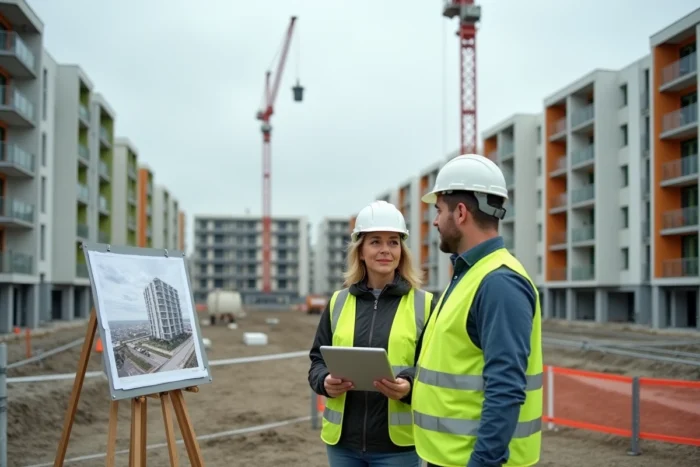
The residential division of Nexity in Île-de-France handles a volume of reservations that justifies a distinct mention. Île-de-France concentrates the highest demand for new housing in the country, and this division captures a significant share of the regional market.
20. Pierre Promotion
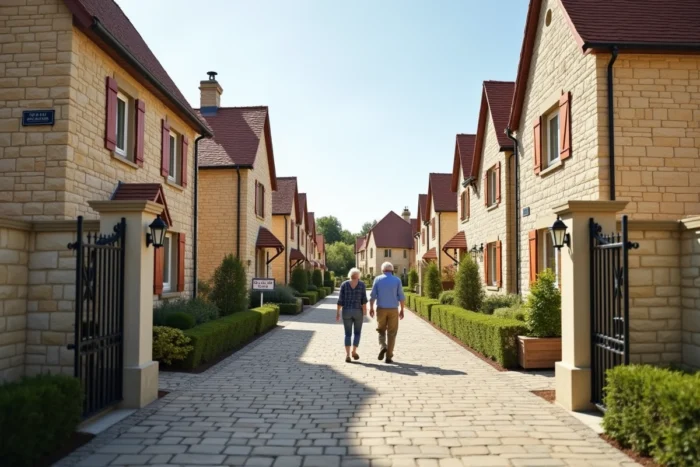
Pierre Promotion, a mid-sized player, operates in medium-sized cities with human-scale programs. The developer highlights controlled delivery times and close construction monitoring, two criteria that have become crucial for buyers wary of the increasing delivery delays in the sector.
The real estate development market in France remains dominated by a handful of national groups, but the new housing crisis is reshuffling the cards. Some regional developers are gaining ground where large groups are withdrawing, particularly in medium-sized cities where land remains accessible. The next ranking will reveal whether this trend continues or if the localized recovery of construction starts, observed in some departments in 2025, primarily benefits already established players.